
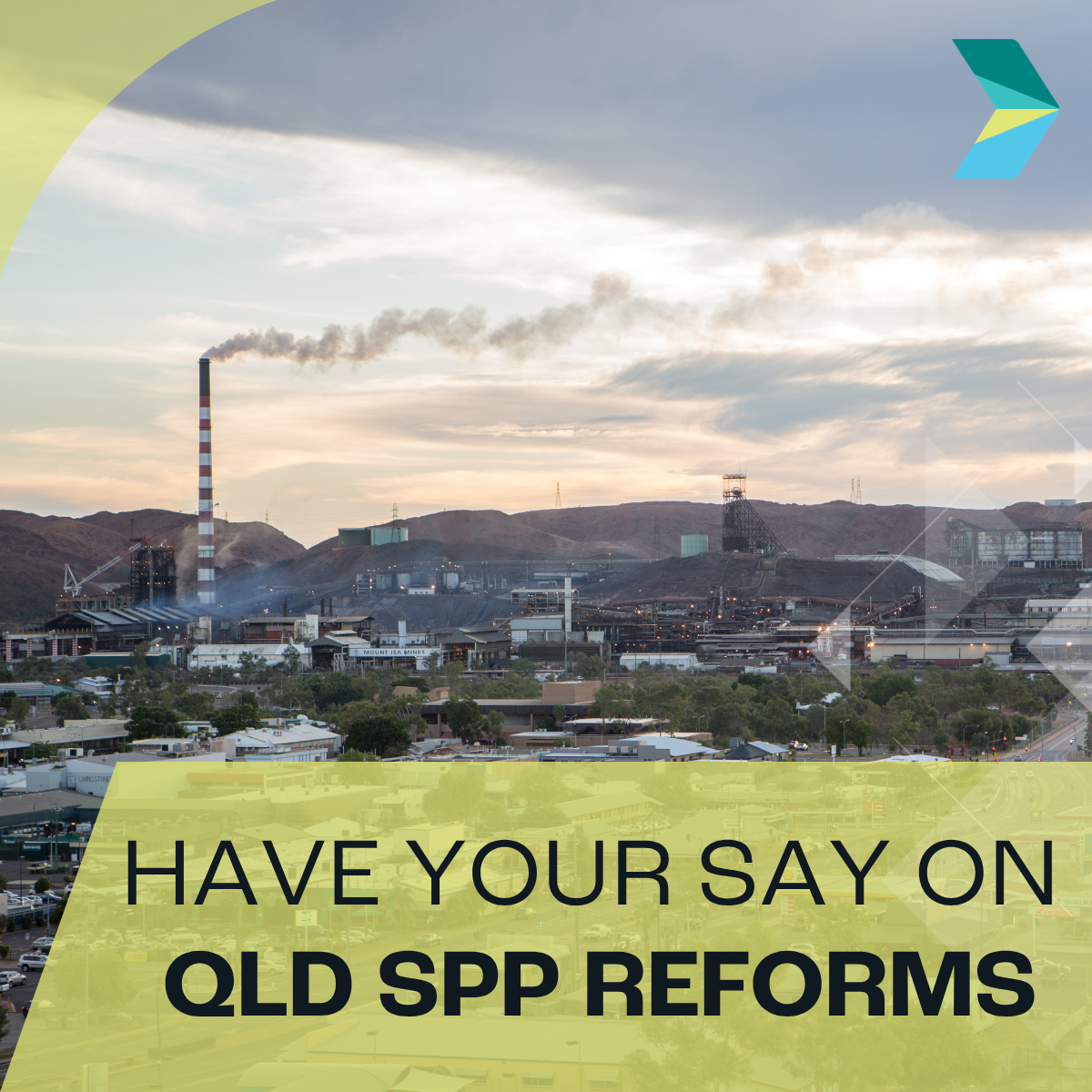
Have your say on QLD State Planning Policy reforms
Queensland’s planning framework is getting its biggest refresh in almost a decade.
The draft State Planning Policy 2026 is now open for consultation, with proposed changes relevant to resources, renewable energy, infrastructure and other major projects.
Among the changes:
• energy becomes a standalone State interest
• stronger protection is proposed for important resource areas
• greater emphasis is placed on coordinating growth with infrastructure
• State assessment benchmarks are proposed to move from the SPP into the Planning Regulation
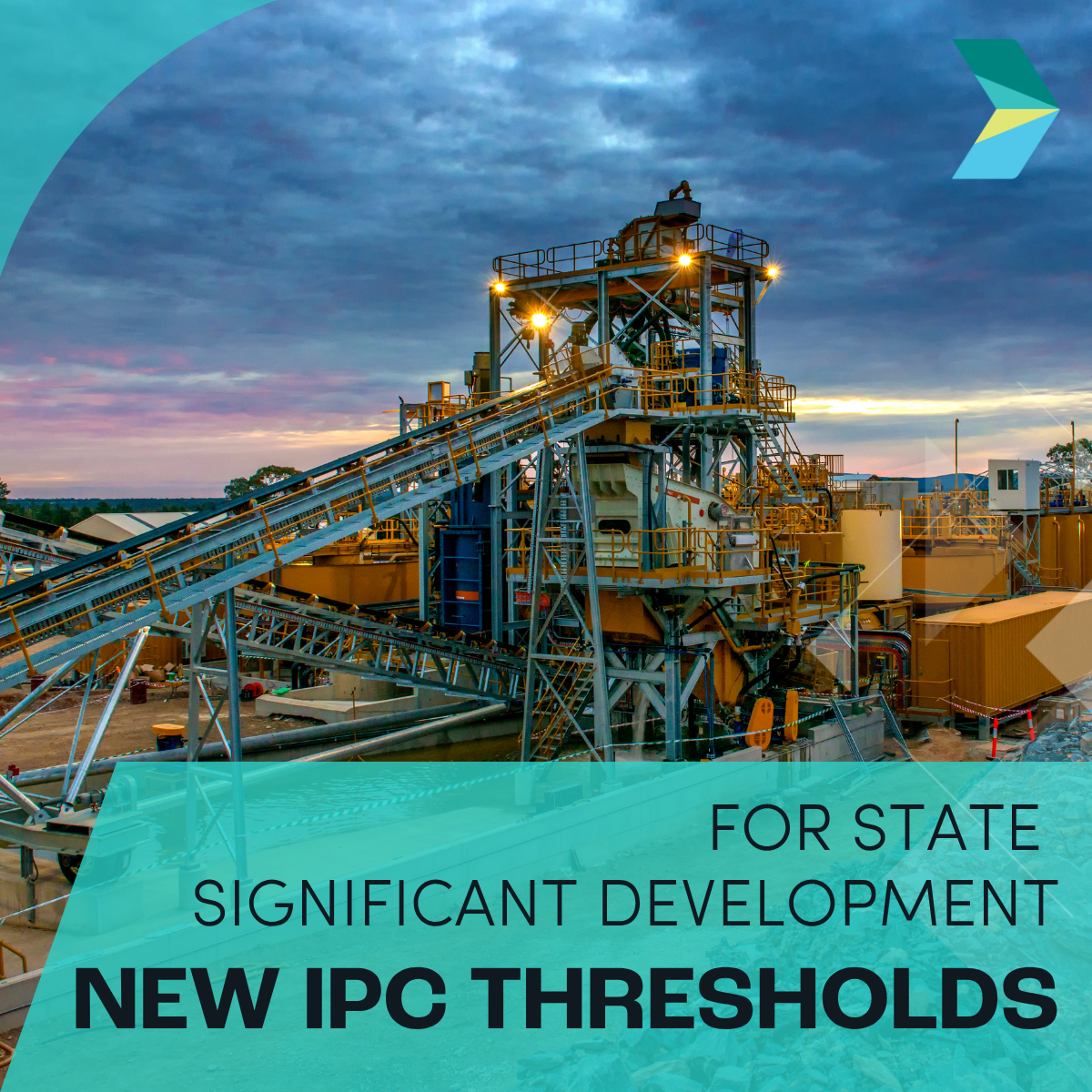
New IPC thresholds for state significant development
NSW has changed the rules that determine when the Independent Planning Commission becomes the consent authority for state significant development, with significant implications for renewable energy, resources and standalone battery projects.
The changes are contained in the State Environmental Planning Policy (Planning Systems) Amendment (Independent Planning Commission) 2026, published on 18 August 2026. Some changes took effect immediately, with further changes commencing on 1 November 2026.
REZ inquiry highlights importance of social planning
Last month the Legislative Council’s Portfolio Committee No. 4 - Regional NSW handed down its final report into the impact of renewable energy zones (REZ) on rural and regional communities and industries in NSW. The inquiry contained specific findings related to social impact assessment (SIA) and recommended the Department of Planning, Housing and Infrastructure review the SIA process so assessments are standardised, independently verified, and expanded. As a qualified and experienced SIA practitioner working across two REZs in NSW, we asked our Senior Social Planner Sonya Pascoe to share her views on the report.

5 things I wish I knew before joining Onward
Environmental consultant Emma Spires joined Onward three years ago as an intern while she completed her university degree in environmental science. At the time, she knew very little about the world of environmental consulting and wasn't quite sure what to expect from working in a company like Onward.
Looking back, one thing Emma wished she’d had before starting was an insider's perspective. She’s shared a few of the lessons she’s learned from her time at Onward.

One door, many agencies: How the DCA will change NSW planning
Today marks one of the most significant changes to the NSW planning system in recent years, with the Development Coordination Authority (DCA) officially commencing its expanded role as the central coordination point for NSW Government agency referrals.
Much of the discussion around the reforms has focused on improving the assessment of local development applications and supporting the delivery of new housing. However, there are also important implications for state significant development (SSD) projects that proponents, consultants and project teams should understand.
While the core SSD assessment pathway remains largely unchanged, the way government agencies contribute to assessments is evolving.
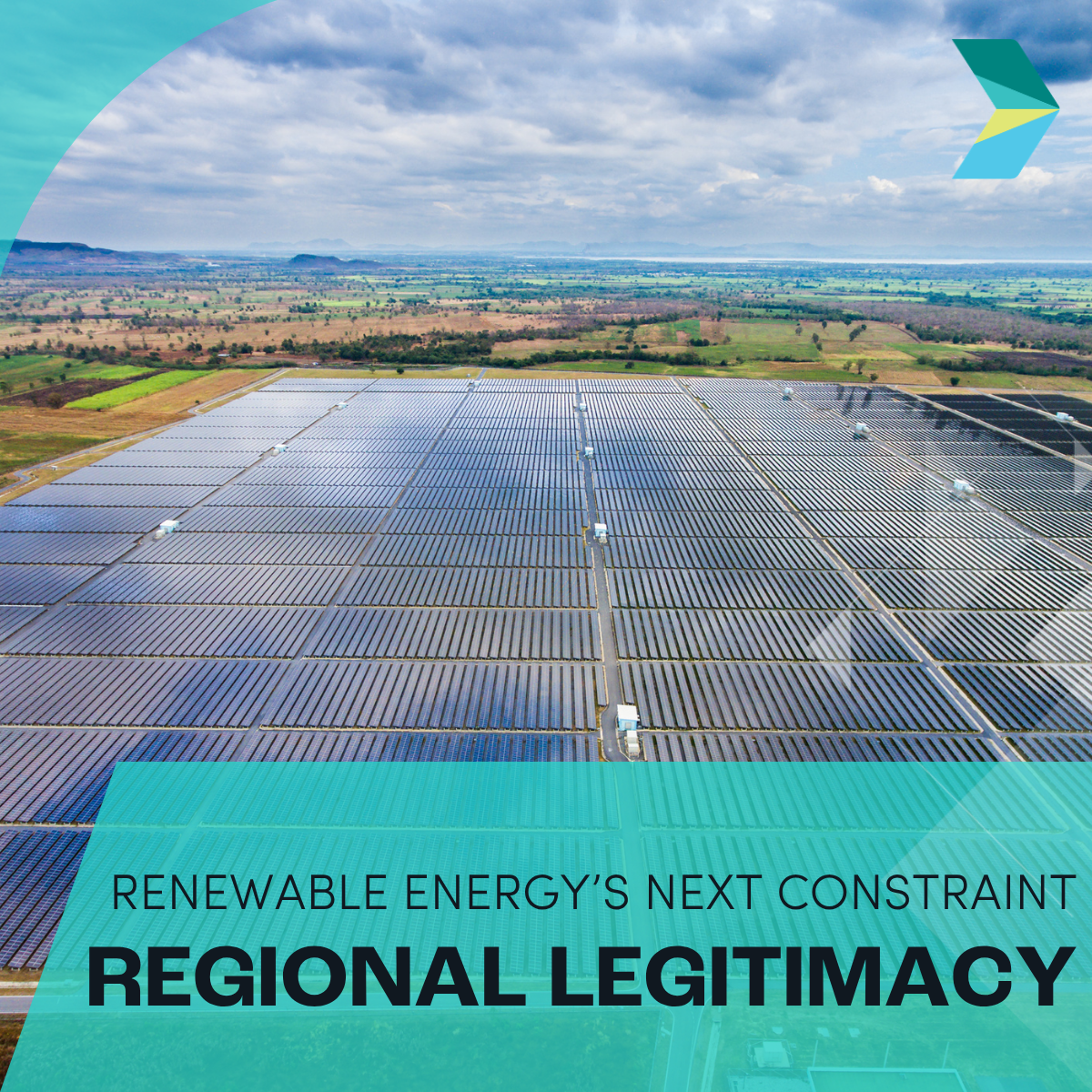
Renewable energy’s next constraint is regional legitimacy
For years, renewable energy projects have largely been assessed, by both industry and government, on an individual basis.
Can the project achieve approval?
Can environmental impacts be managed?
Can land access be secured?
Can the infrastructure be delivered?
But across parts of regional NSW, something is changing.
Communities are no longer evaluating projects individually. They are evaluating the combined impact of an entire energy transition happening around them.
And that shift may become one of the most important strategic challenges facing the renewable energy sector over the next decade, as Principal – Engagement and Social Planning Alysia Bradshaw explains.

From uni to consulting: A graduate’s reflections
Nyah Moore joined Onward’s Graduate Program in February after graduating from the University of Newcastle in late 2025. We invited her to write about her first months working as an Environmental Consultant.
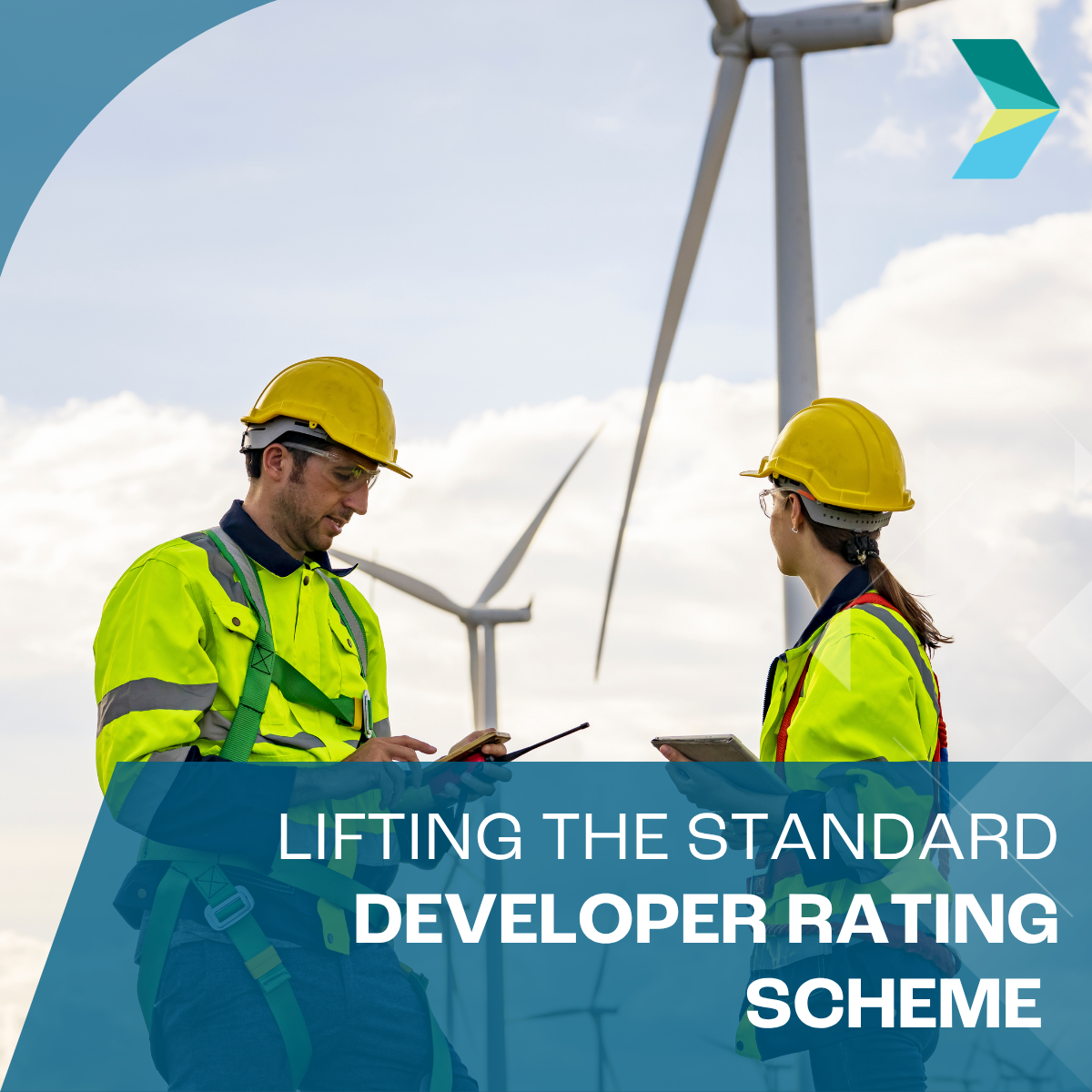
Developer rating scheme: lifting the standard for renewable energy delivery
As Australia’s renewable energy rollout accelerates so are expectations from communities, landholders and regulators. The challenge is no longer just building projects quickly. It’s about building them well, responsibly, and with trust. That’s the context behind the Australian Government’s Developer Rating Scheme (DRS).
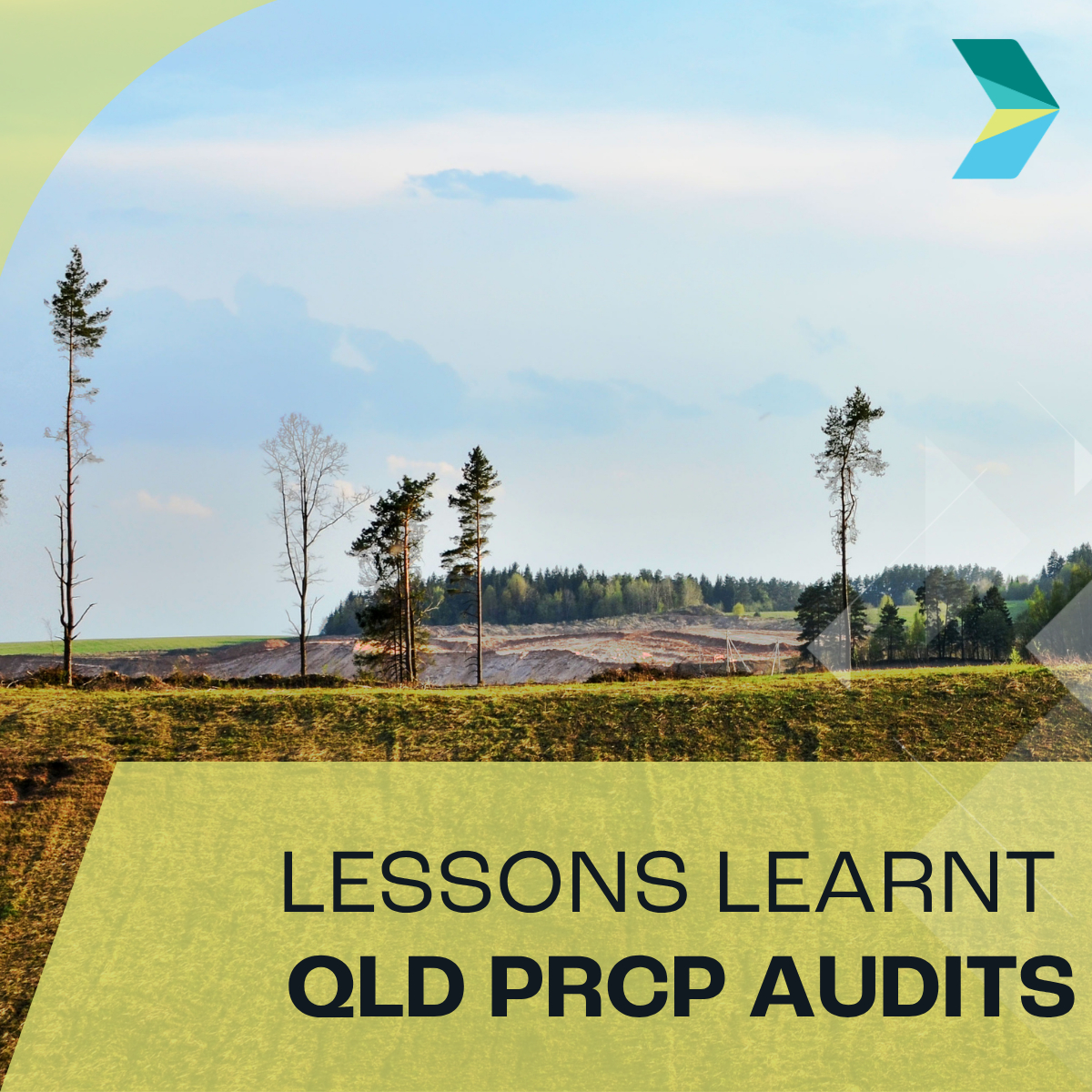
Lessons learned from QLD PRCP audits
At Onward, we’re proud to have delivered Queensland’s very first progressive rehabilitation and closure plan (PRCP) schedule audit in 2024. It was a milestone not just for us, but for the state’s mining industry, which is navigating an evolving regulatory landscape that puts rehabilitation and closure front and centre.
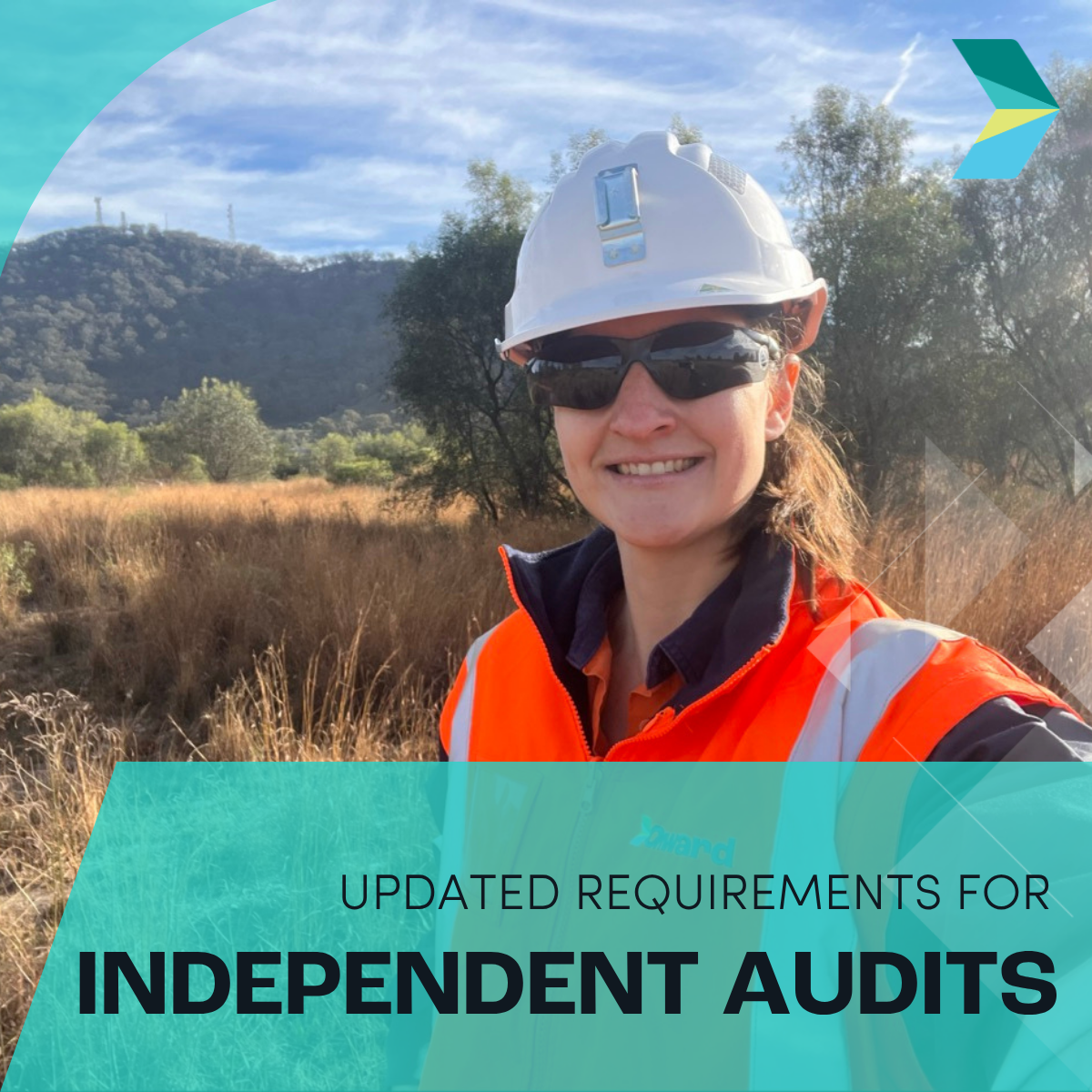
Updated requirements for independent audits
The NSW Department of Planning, Housing and Infrastructure (DPHI) has released a revised set of independent audit (IA) post approval requirements for state significant projects. The requirements introduce a more structured and prescriptive framework for how audits are planned, approved, and delivered across the project lifecycle.
The updated requirements signal a clear shift toward tighter audit governance, greater consistency, and earlier engagement with DPHI. For proponents and project teams, understanding these changes is essential to maintaining compliance and avoiding unnecessary delays, as Principal – Auditing and Compliance Elliot Holland explains.
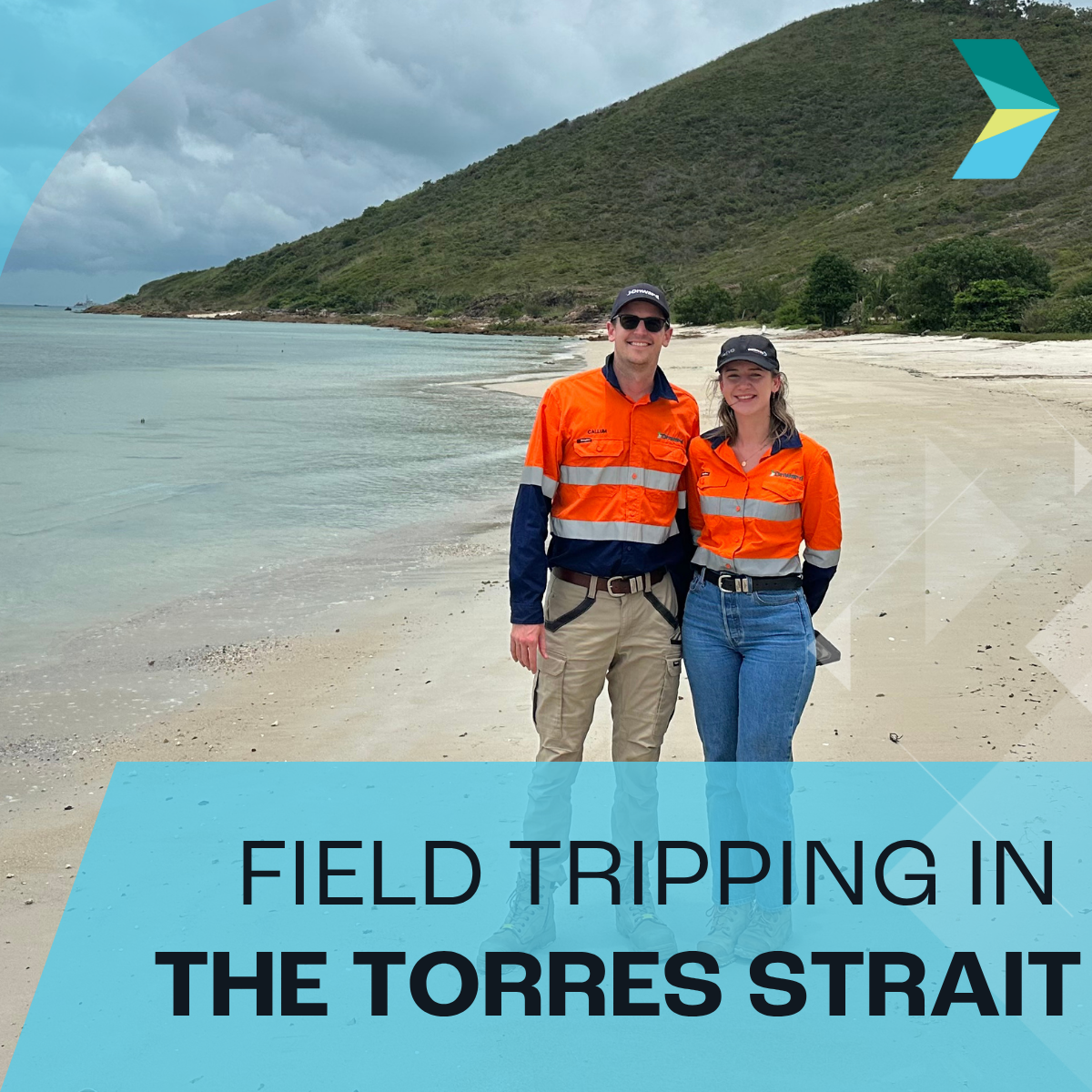
Field tripping in the Torres Strait
Field tripping in the Torres Strait
Environmental Project Manager Sabrina Newton and Principal – Environmental Management Callum Gawne travelled to the Torres Strait recently to carry out preliminary inspections in support of future environmental approvals for a potential minerals project.
The data trap: Why information alone won’t build trust
More data doesn’t fix community concern. In fact, it can often make it worse.
In many projects across QLD and NSW, the instinctive response to community resistance is to provide more information. We release more studies, more technical detail, more reports. On paper, this makes sense. If people are concerned, surely better data will resolve the issue.