
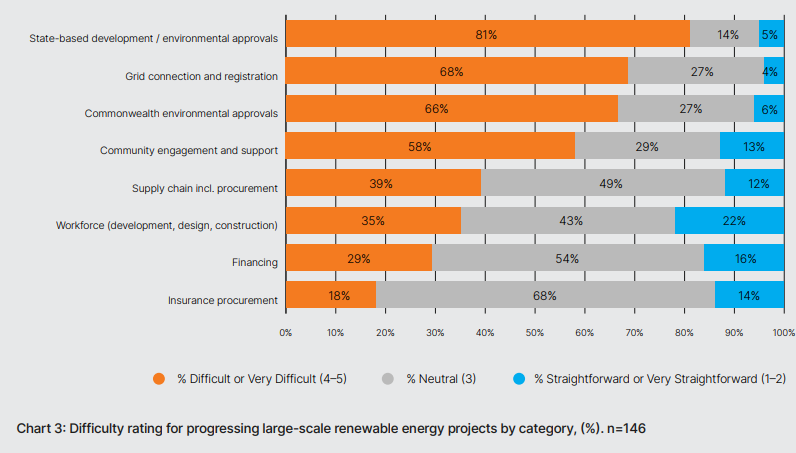
Renewable project approvals under pressure
Australia needs to deliver renewable energy infrastructure at significant scale and pace. But for the people responsible for getting projects from concept to construction, the approvals pathway is becoming increasingly challenging.
The Clean Energy Council and Lockton’s inaugural Renewable Energy Risk and Insurance Index 2026 provides a clear snapshot of where industry is feeling that pressure.
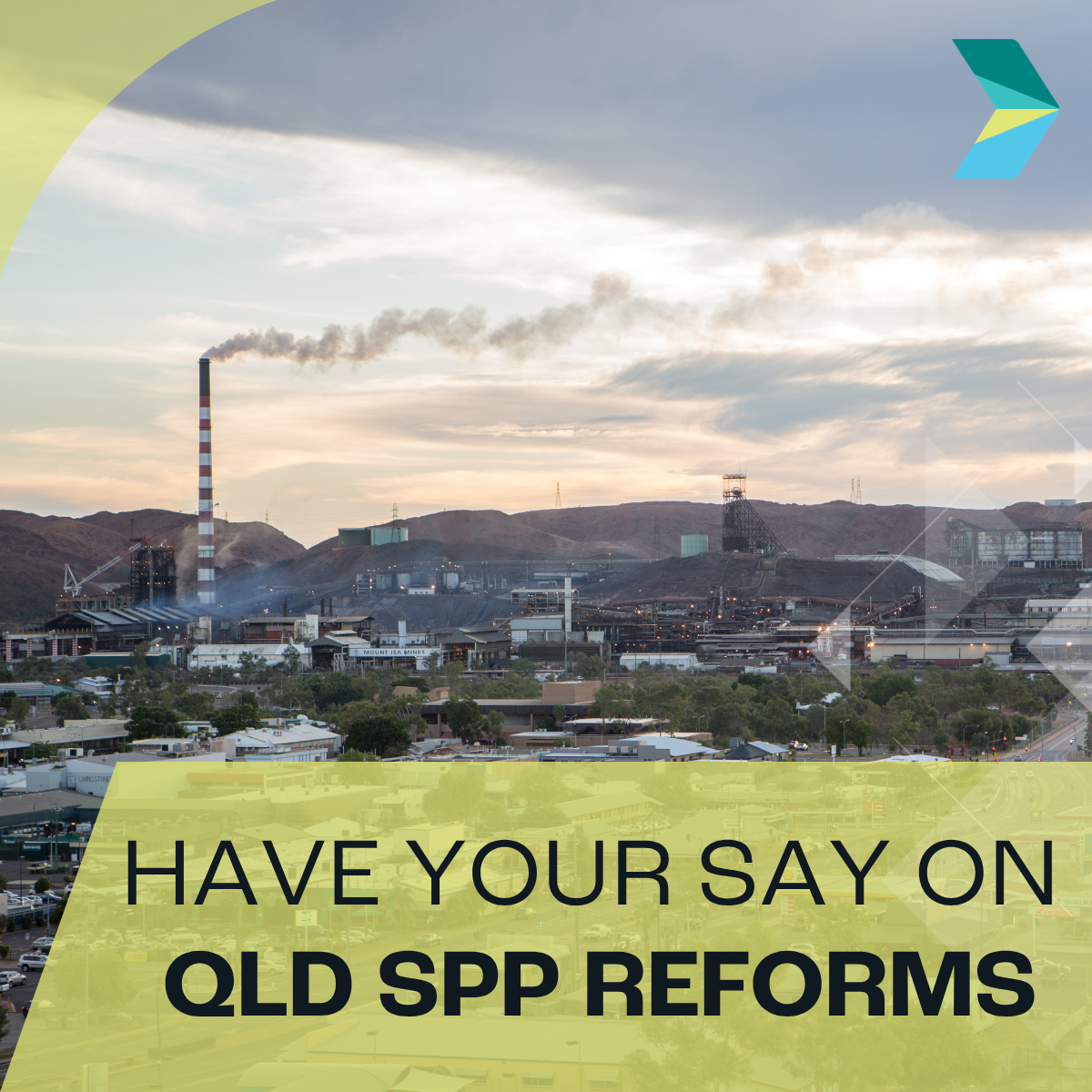
Have your say on QLD State Planning Policy reforms
Queensland’s planning framework is getting its biggest refresh in almost a decade.
The draft State Planning Policy 2026 is now open for consultation, with proposed changes relevant to resources, renewable energy, infrastructure and other major projects.
Among the changes:
• energy becomes a standalone State interest
• stronger protection is proposed for important resource areas
• greater emphasis is placed on coordinating growth with infrastructure
• State assessment benchmarks are proposed to move from the SPP into the Planning Regulation

New IPC thresholds for state significant development
NSW has changed the rules that determine when the Independent Planning Commission becomes the consent authority for state significant development, with significant implications for renewable energy, resources and standalone battery projects.
The changes are contained in the State Environmental Planning Policy (Planning Systems) Amendment (Independent Planning Commission) 2026, published on 18 August 2026. Some changes took effect immediately, with further changes commencing on 1 November 2026.
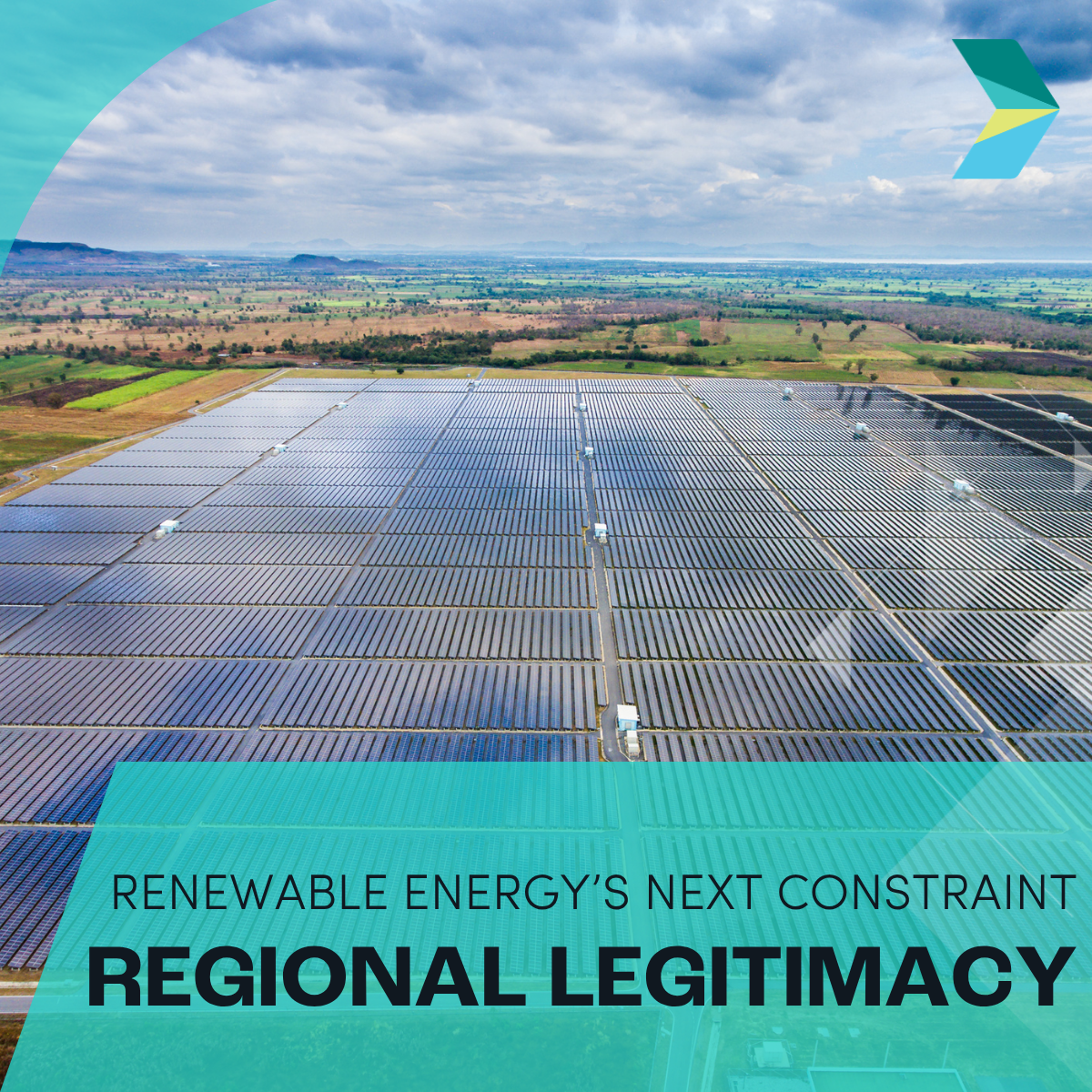
Renewable energy’s next constraint is regional legitimacy
For years, renewable energy projects have largely been assessed, by both industry and government, on an individual basis.
Can the project achieve approval?
Can environmental impacts be managed?
Can land access be secured?
Can the infrastructure be delivered?
But across parts of regional NSW, something is changing.
Communities are no longer evaluating projects individually. They are evaluating the combined impact of an entire energy transition happening around them.
And that shift may become one of the most important strategic challenges facing the renewable energy sector over the next decade, as Principal – Engagement and Social Planning Alysia Bradshaw explains.

From uni to consulting: A graduate’s reflections
Nyah Moore joined Onward’s Graduate Program in February after graduating from the University of Newcastle in late 2025. We invited her to write about her first months working as an Environmental Consultant.

Developer rating scheme: lifting the standard for renewable energy delivery
As Australia’s renewable energy rollout accelerates so are expectations from communities, landholders and regulators. The challenge is no longer just building projects quickly. It’s about building them well, responsibly, and with trust. That’s the context behind the Australian Government’s Developer Rating Scheme (DRS).
The data trap: Why information alone won’t build trust
More data doesn’t fix community concern. In fact, it can often make it worse.
In many projects across QLD and NSW, the instinctive response to community resistance is to provide more information. We release more studies, more technical detail, more reports. On paper, this makes sense. If people are concerned, surely better data will resolve the issue.
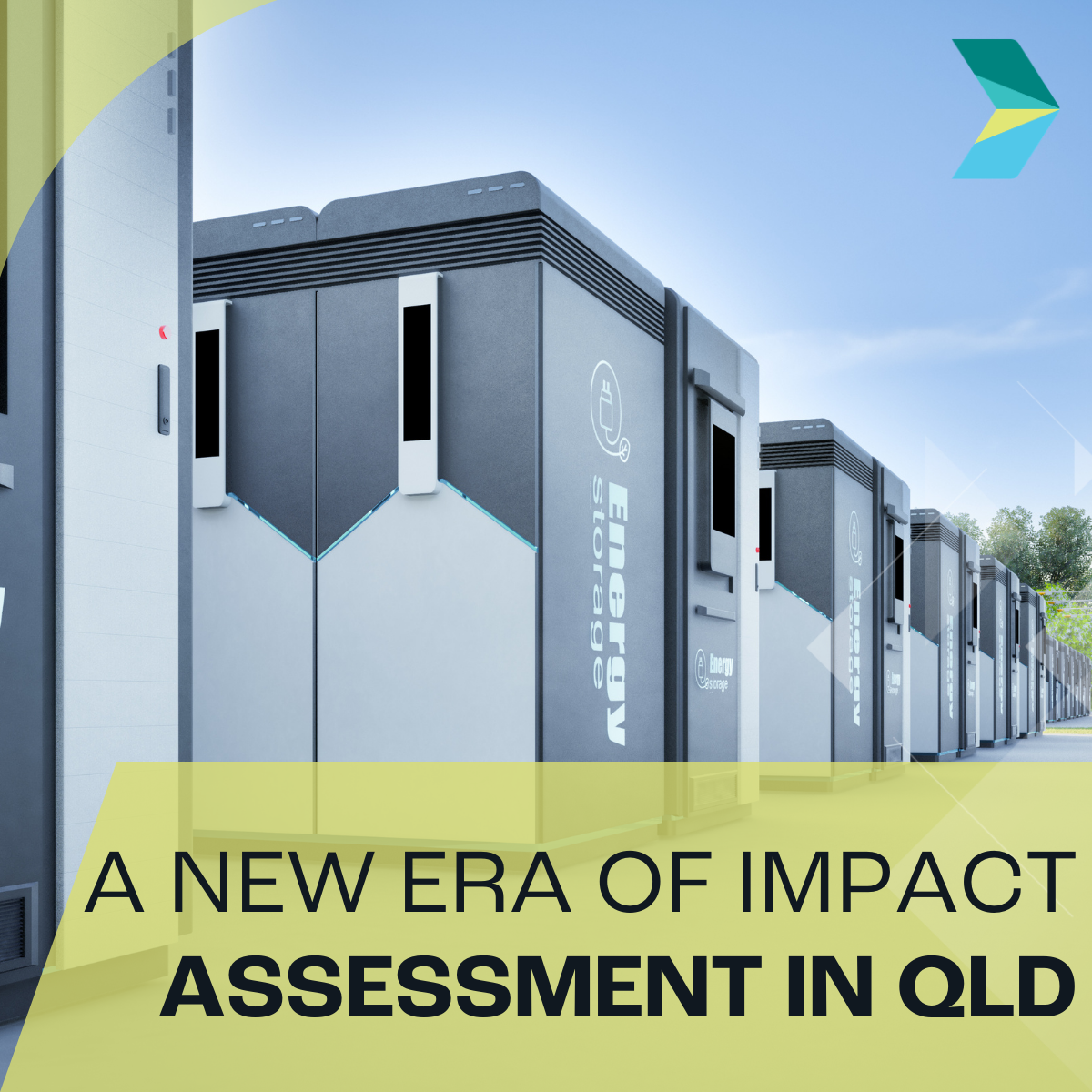
The new era of impact assessment in QLD
Queensland’s renewable energy landscape is changing and battery storage has also now entered a new phase of regulatory scrutiny. In December 2025, the Queensland Government introduced significant planning reforms that bring large-scale BESS projects into the same assessment framework already applied to wind and solar farms.
These reforms follow on from earlier changes in 2025 that made solar and wind developments impact assessable and required developers to complete social impact assessments and community benefit agreements before applications could proceed

Updated - Explaining the proposed EPBC Act reforms
The federal Minister for the Environment and Water, Murray Watt, announced proposed reforms this week to the Environment Protection and Biodiversity Conservation Act 1999 (EPBC Act). Driven by ambitious climate goals and unfavourable delays in the current approval system, the government plans to introduce ‘go’ and ‘no-go’ zones, which will identify areas where projects can proceed without extensive applications, and areas where development cannot occur under any circumstances. Environmental Consultant Holly Hanley explains what the reforms may mean for developers and projects.

Transforming the breeze: Queensland’s new wind energy regulations
This week, the Queensland Government introduced a more rigorous assessment process for wind farm developments, transitioning from a code assessable to impact assessable process. This marks a pivotal shift in the state’s approach to renewable energy projects.
Environmental Project Manager Priya Jolly explains what the changes mean for QLD wind farm projects.