

New IPC thresholds for state significant development
NSW has changed the rules that determine when the Independent Planning Commission becomes the consent authority for state significant development, with significant implications for renewable energy, resources and standalone battery projects.
The changes are contained in the State Environmental Planning Policy (Planning Systems) Amendment (Independent Planning Commission) 2026, published on 18 August 2026. Some changes took effect immediately, with further changes commencing on 1 November 2026.
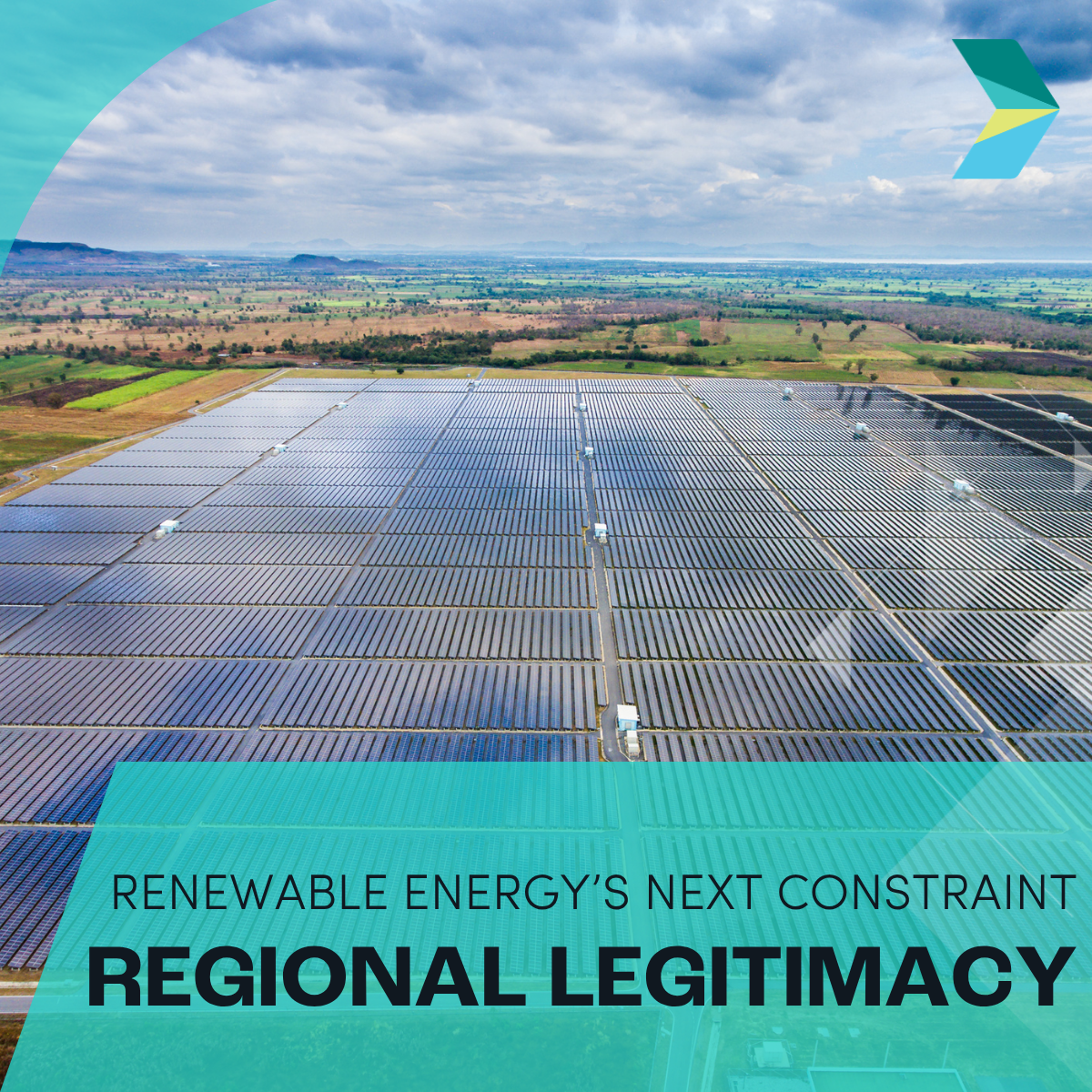
Renewable energy’s next constraint is regional legitimacy
For years, renewable energy projects have largely been assessed, by both industry and government, on an individual basis.
Can the project achieve approval?
Can environmental impacts be managed?
Can land access be secured?
Can the infrastructure be delivered?
But across parts of regional NSW, something is changing.
Communities are no longer evaluating projects individually. They are evaluating the combined impact of an entire energy transition happening around them.
And that shift may become one of the most important strategic challenges facing the renewable energy sector over the next decade, as Principal – Engagement and Social Planning Alysia Bradshaw explains.
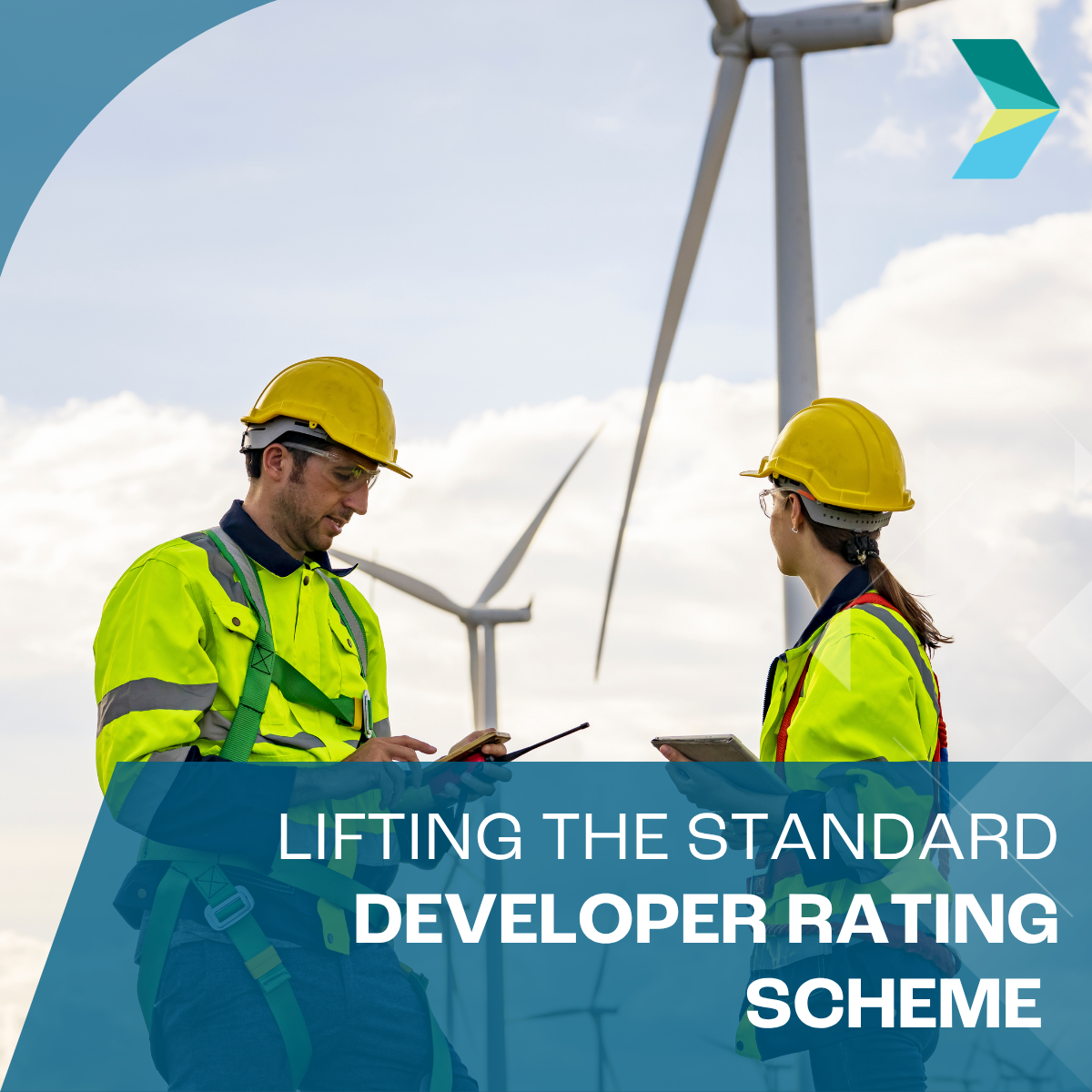
Developer rating scheme: lifting the standard for renewable energy delivery
As Australia’s renewable energy rollout accelerates so are expectations from communities, landholders and regulators. The challenge is no longer just building projects quickly. It’s about building them well, responsibly, and with trust. That’s the context behind the Australian Government’s Developer Rating Scheme (DRS).
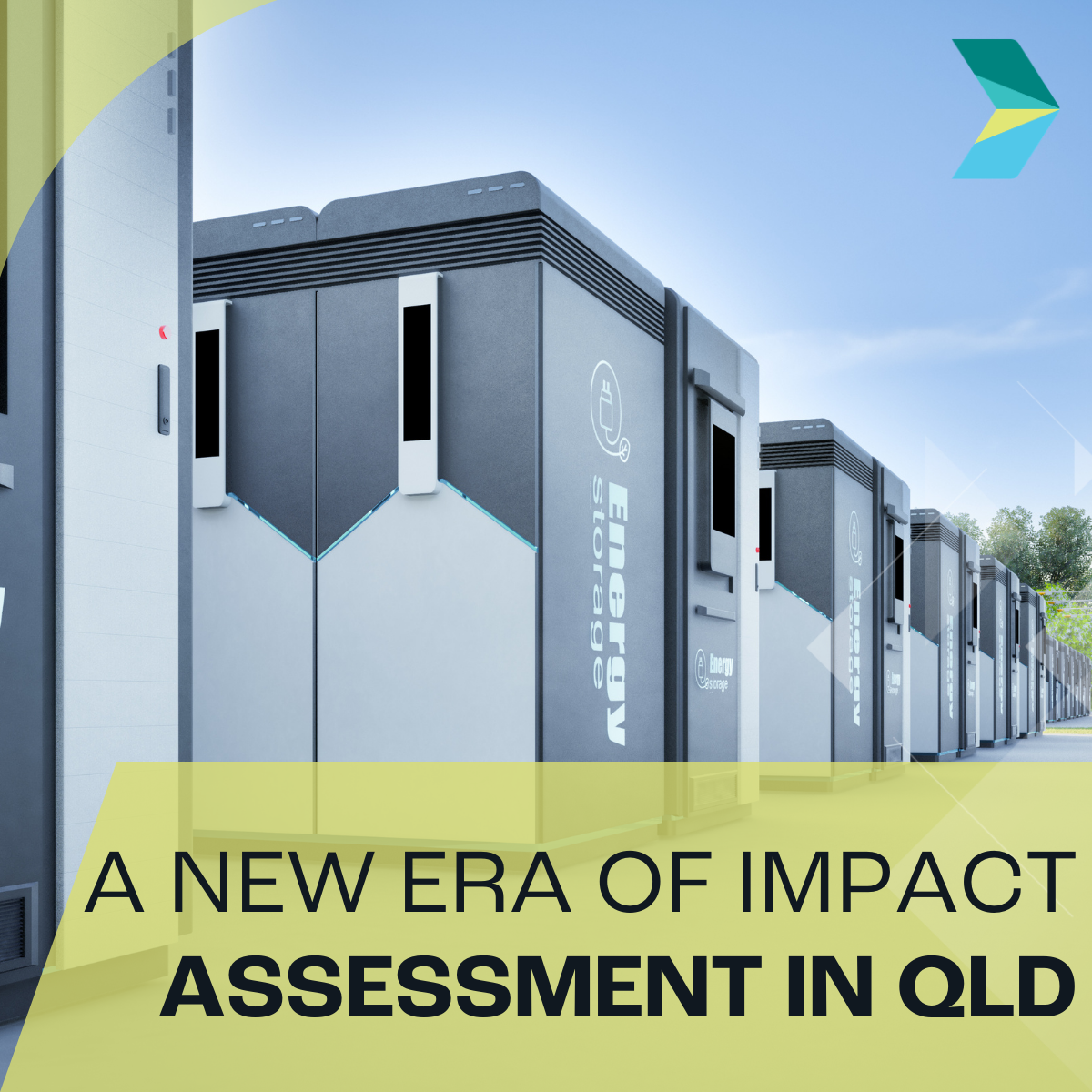
The new era of impact assessment in QLD
Queensland’s renewable energy landscape is changing and battery storage has also now entered a new phase of regulatory scrutiny. In December 2025, the Queensland Government introduced significant planning reforms that bring large-scale BESS projects into the same assessment framework already applied to wind and solar farms.
These reforms follow on from earlier changes in 2025 that made solar and wind developments impact assessable and required developers to complete social impact assessments and community benefit agreements before applications could proceed