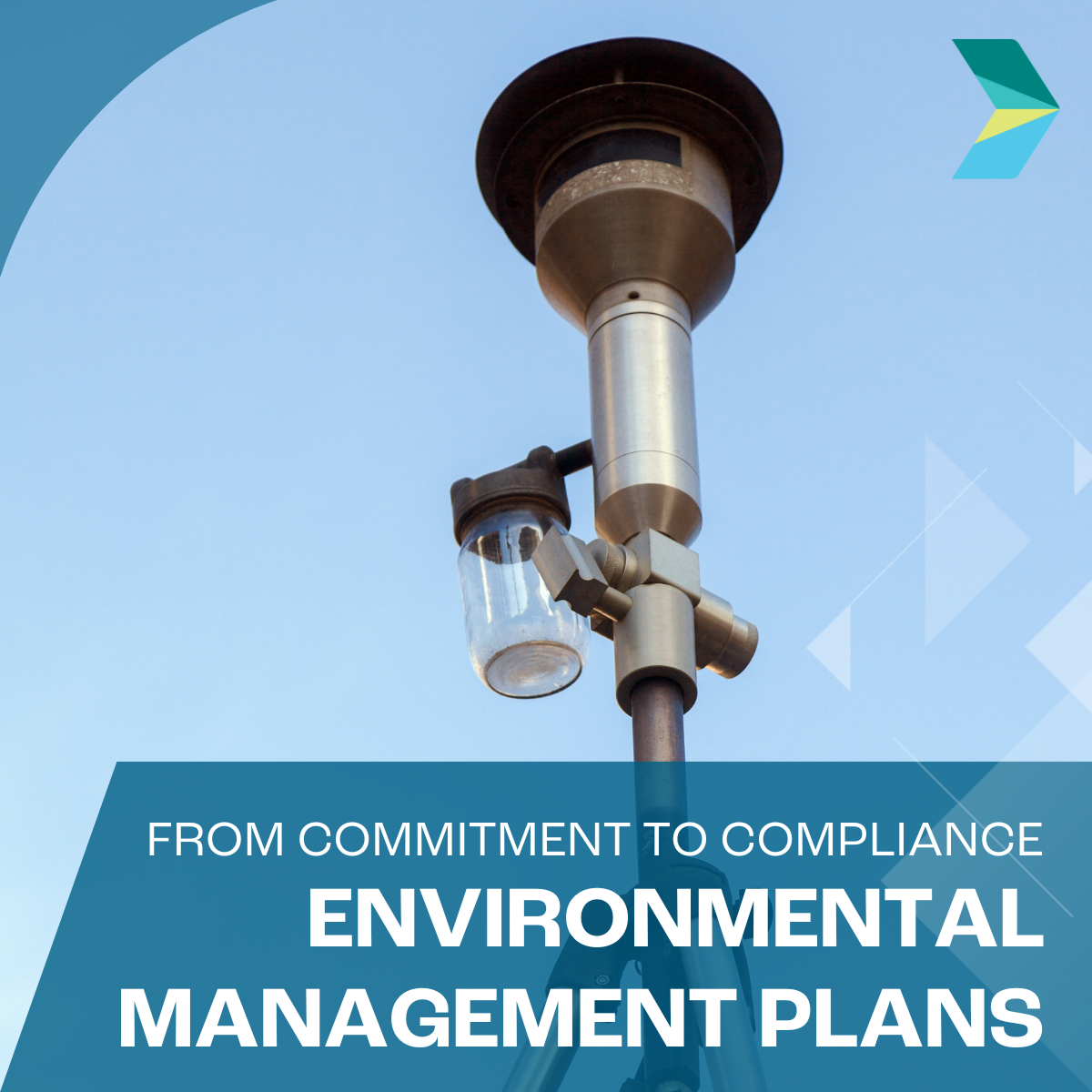
Environmental management plans help projects move from commitment to compliance
Once a project secures its approvals, it can feel like the hard work is done. But in reality, this is where the real test begins. Post-approvals environmental management plans (EMPs) are the bridge between what a project proposes on paper and what it delivers on the ground. They take commitments, conditions and predicted impacts and turn them into day-to-day operational instructions that keep environmental risks in check and stakeholders confident.
At their core, EMPs translate regulatory requirements into practical, measurable actions. They outline who is responsible for what, how impacts will be monitored, and what happens if something goes wrong. Without this structure, projects risk drifting away from their approval conditions, creating compliance gaps, unanticipated impacts, and reputational issues that could have been avoided with good management discipline.
EMPs also provide a single source of truth for contractors, operators and environmental teams. Major projects often involve multiple work fronts, changing personnel and evolving site conditions. A well-designed EMP ensures every team member understands the environmental rules of the game, from managing noise, protecting habitat, handling waste, or responding to extreme weather. This clarity reduces the likelihood of incidents and helps maintain continuity even as project teams rotate.
Critically, EMPs are also a project’s feedback loop. Through monitoring, reporting and adaptive management, they allow proponents to understand what’s working, what isn’t, and how to refine mitigation measures over time. This is particularly important in complex environments where conditions can shift quickly. Regulators increasingly expect evidence-based, data-driven updates to EMPs throughout construction and operations, not a ‘set and forget’ approach.
Finally, EMPs build trust. Communities and regulators want assurance that environmental promises are not just made at the approvals stage but lived throughout the project lifecycle. Transparent reporting, proactive communication, and demonstrated follow-through go a long way in reducing conflict and maintaining a project’s social licence.
When done well, EMPs safeguard compliance, protect environmental values, support smooth operations, and help projects earn long-term credibility.